
ABOUT
As a nonprofit that organizes for civic participation and grassroots leadership, the growing concern and rising fears of our community members who had experienced and/or witnessed instances of anti-Asian sentiment catalyzed our involvement in actively providing workshops and connecting our community to bystander trainings and legal resources.
In 2025, we will continue our Stop Asian Hate messaging, educational activities, and community campaign.
IMPACT
Since 2021,
we have trained:
Community Members
Other Statistics
4813
Individuals Engaged
15
Workshops Delivered
9
Community Partners
BACKGROUND
From March 2020, the beginning of the COVID-19 pandemic, through December 2021, there were more than 10,900 reports of physical and verbal attacks targeted toward Asian Americans. These figures demonstrate that anti-Asian hate incidents and crimes increased by 339%, an alarming and staggering number that struggles to capture the full extent of the trauma, pain, and fear inflicted upon Asian American communities nationwide.
Our organization first became aware and vigilant of the steady increase in anti-Asian violence in February 2021. Local reports of violent attacks, such as the hate crime against a 26-year-old Pinay in downtown San Jose or the case of a Pinay medical worker being pushed down and screamed at with racial epithets while crossing the street in Los Gatos brought these realities intimately close, as they were happening in our own community and to members of the FilAm community. It is also not lost on us that hate incidents and crimes toward Asians disproportionately target seniors and women. Many of these atrocities go unreported and/or underreported, and because of this, we grow increasingly concerned that the uptick in racial violence toward Asian communities could be much higher.
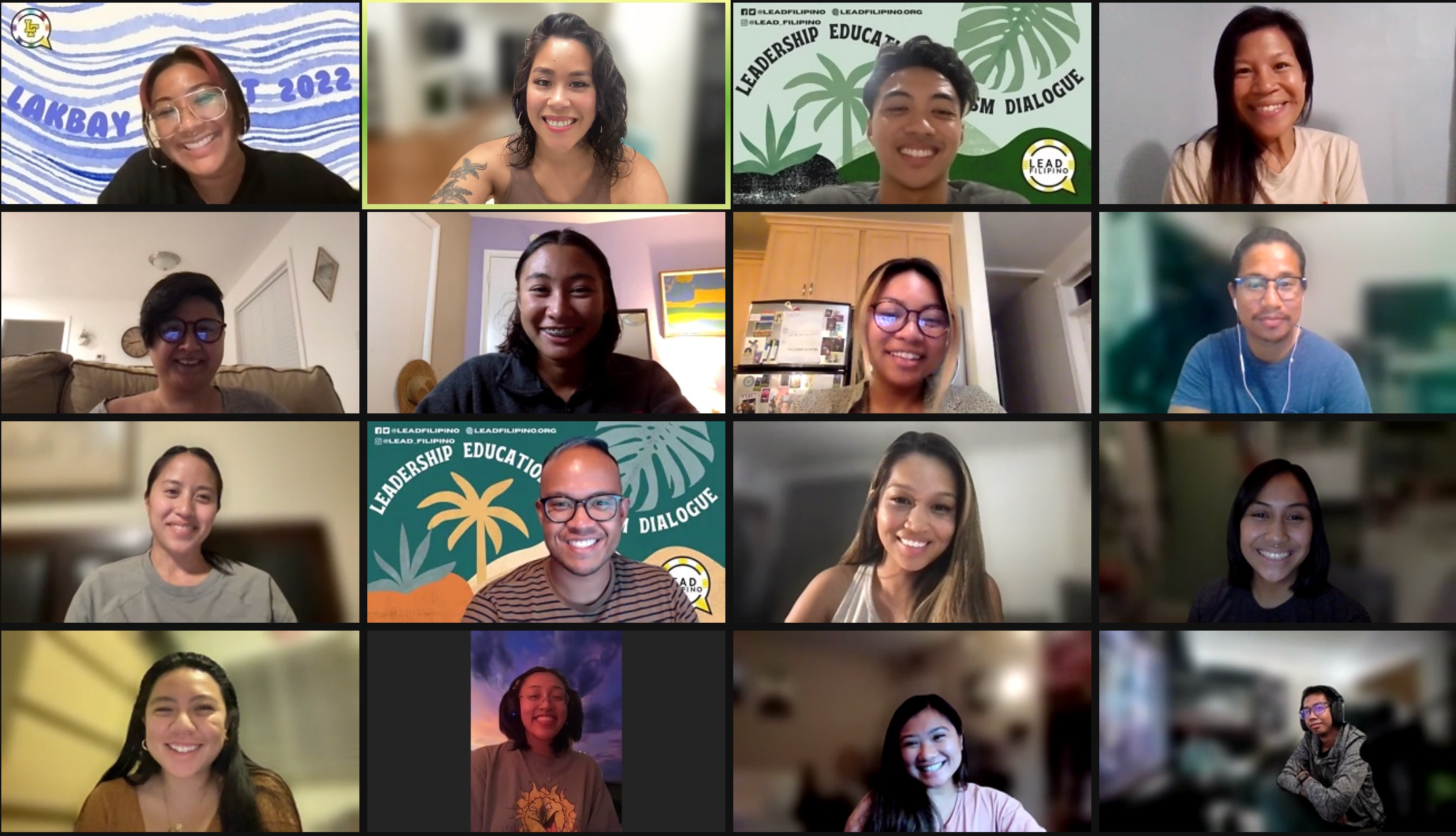
2022 Awareness in Action Cohort
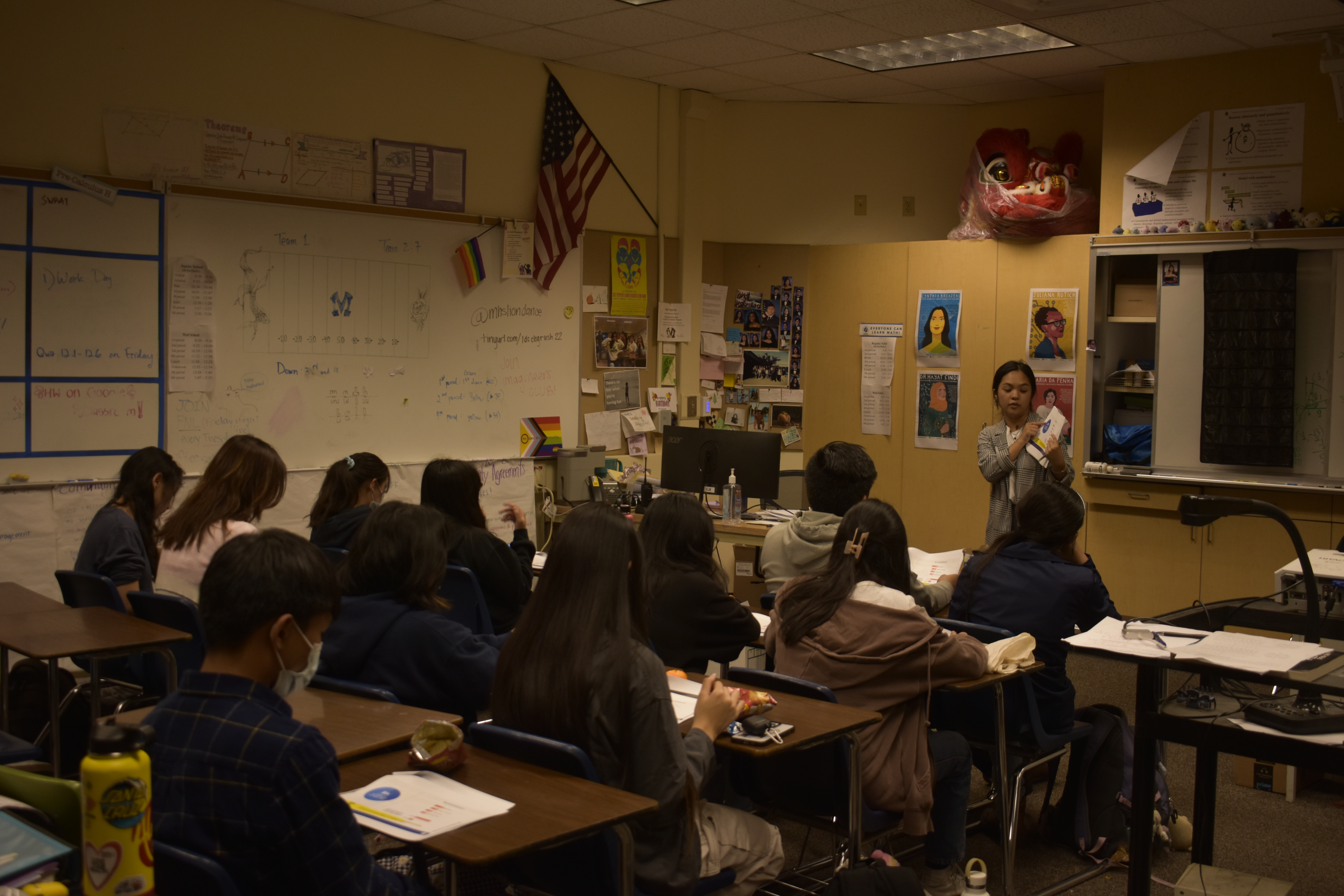
Bystander Training Workshop
Banding together in March 2020, a group of our organizers partnered with the City of San José to host healing and processing spaces for FilAm youth, families, and seniors who felt scared during such uncertain and unprecedented times. What emerged from our conversations was a clear demand for more culturally-centered spaces where individuals could feel safe, heard, and visible, alongside various trainings to address the following topics:
Our Partners & Supporters
Our initiative has been supported by various community-based organizations, service providers, and grassroots organizations and coalitions, including:
Support Our Initiative
Contact us for any questions or concerns.